Mobile asphalt plants are gaining popularity for urban emergency road repair projects, especially in scenarios requiring rapid deployment. One of the key advantages of these plants is their ability to significantly reduce hidden costs associated with asphalt mixing plant price when compared to traditional stationary asphalt mixing plants. This article explores how the rapid deployment feature contributes to cost savings and enhances the efficiency of urban repair efforts.
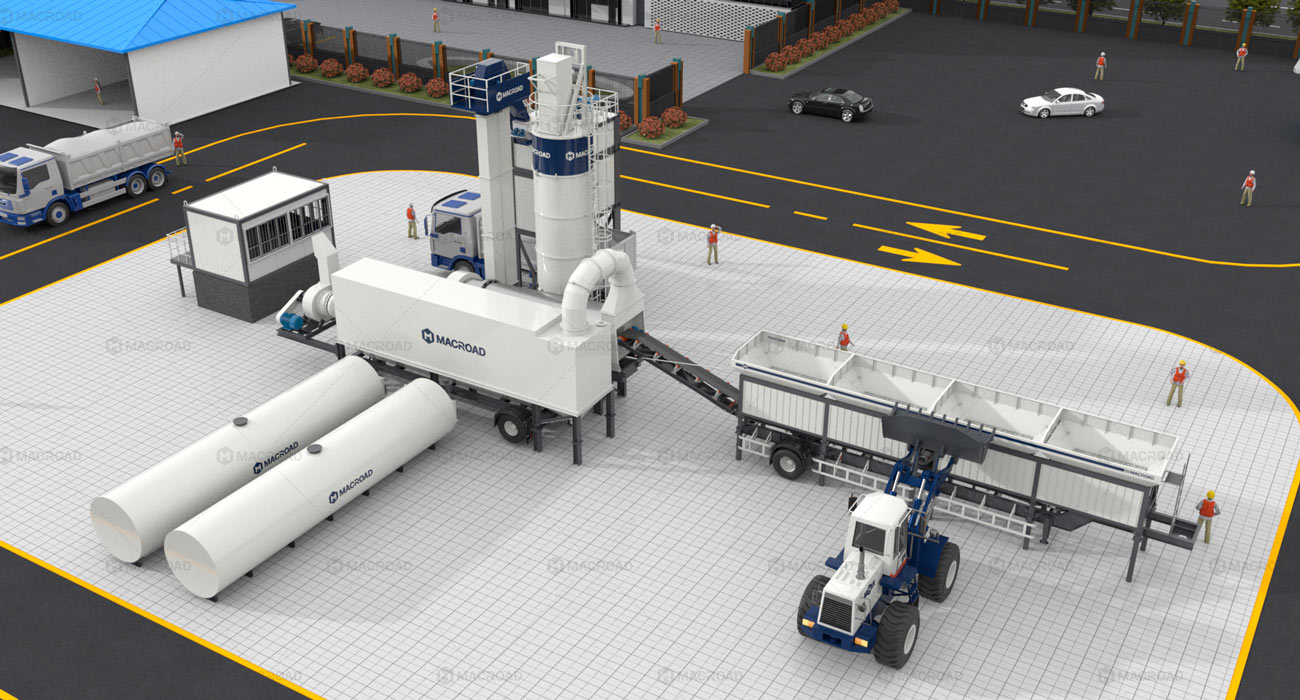
Rapid Deployment and Time Savings
The standout feature of a mobile asphalt plant is its capacity for rapid deployment. Unlike traditional stationary plants that require extensive setup time, mobile units can be operational within hours of arriving on-site. This speed is critical in emergency situations where delays can lead to increased costs and prolonged disruptions to traffic and public safety.
Furthermore, the quick setup enables contractors to meet tight schedules without sacrificing quality. The ability to produce asphalt on-demand means that crews can work efficiently, minimizing downtime and optimizing labor usage. Whenever time is a factor in urban repair projects, a mobile asphalt plant proves to be a strategic advantage that translates into significant cost savings.
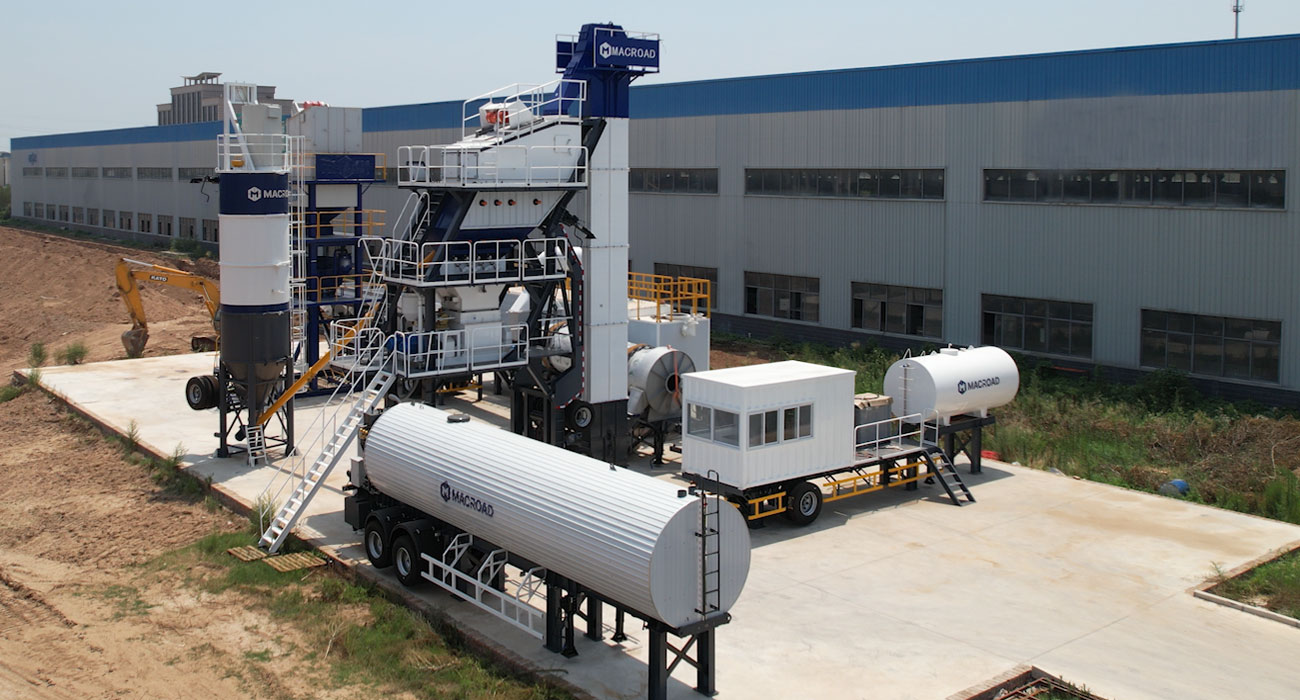
Reducing Transportation Costs
Another area where mobile asphalt plants shine is in transportation costs. Since these plants are designed to be relocated easily, they significantly reduce the need for transporting asphalt over long distances. Traditional stationary plants could require asphalt to be shipped from a central location, increasing both logistical complexity and fuel expenses.
With a mobile asphalt plant, material can be mixed directly on-site, eliminating the extra transportation leg. This approach also minimizes the risks of temperature loss and degradation of asphalt quality during transport, leading to better road performance and reduced rework costs. By cutting transportation costs, contractors can achieve a lower total asphalt mixing plant price, enhancing their overall budget efficiency.
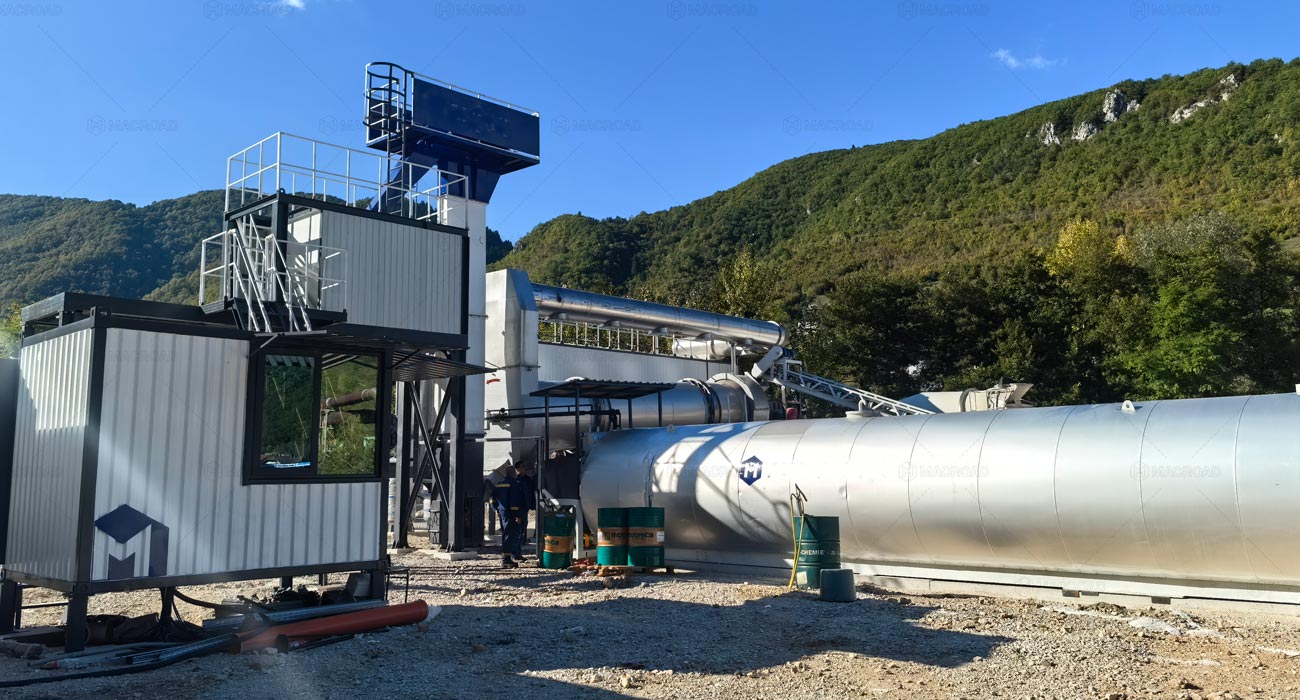
Flexibility and Adaptation to Project Requirements
Mobile asphalt plants offer exceptional flexibility, allowing contractors to adapt to changing project requirements effortlessly. In urban environments, conditions can change swiftly, with unexpected weather, traffic issues, or additional repairs arising. The quick adaptability of mobile asphalt plants means they can shift focus to different areas as needed, ensuring that resources are directed where they are most needed.
Additionally, this flexibility can lead to better inventory management. By producing asphalt on-site as needed, contractors can avoid over-ordering and minimize waste. This not only contributes to lower costs but aligns well with sustainable practices, making asphalt mixing plant more economically and environmentally sound. In contexts where every dollar counts, the benefits of using mobile plants extend well beyond mere operational efficiency.
Conclusion
In conclusion, the use of a mobile asphalt plant presents significant advantages for urban emergency road repair projects, particularly regarding cost efficiency. The rapid deployment feature not only saves time but also cuts hidden costs associated with traditional asphalt mixing plant price by eliminating unnecessary transportation expenses. Furthermore, the flexibility and adaptability of mobile plants provide additional financial benefits by enhancing inventory management and resource allocation. As construction projects continue to demand speed and efficiency, adopting mobile asphalt plants becomes an increasingly profitable strategy. Brands like Macroad exemplify this shift, offering solutions that meet the dynamic needs of urban road repairs while ensuring quality and cost-effectiveness.